%20(500%20x%20107%20px).png)



July 9, 2024
The Rich History of Chocolate and Its African Roots
Increasing your café’s foot traffic can be achieved through several effective strategies. First, ensure your café has a strong online presence by optimizing your website and actively engaging on social media platforms to attract local customers. Hosting events, such as live music, art exhibits, or coffee tasting sessions.

Michael
Co-Op Member
Chocolate is more than just a sweet treat—it carries centuries of history, culture, and labor. While most people associate chocolate with European chocolatiers or big-name brands, its true story stretches much further back. It begins in ancient Mesoamerica, but today, the industry relies heavily on African farmers, whose labor and expertise sustain the global chocolate market.
At Chicago Chocolate Rebellion, we believe in honoring that history. Our mission isn’t just to make exceptional chocolate—it’s to recognize the legacy of African cocoa farmers, tell the untold stories behind every bean, and reclaim the narrative of one of the world’s most beloved foods.
From Ancient Rituals to a Global Commodity
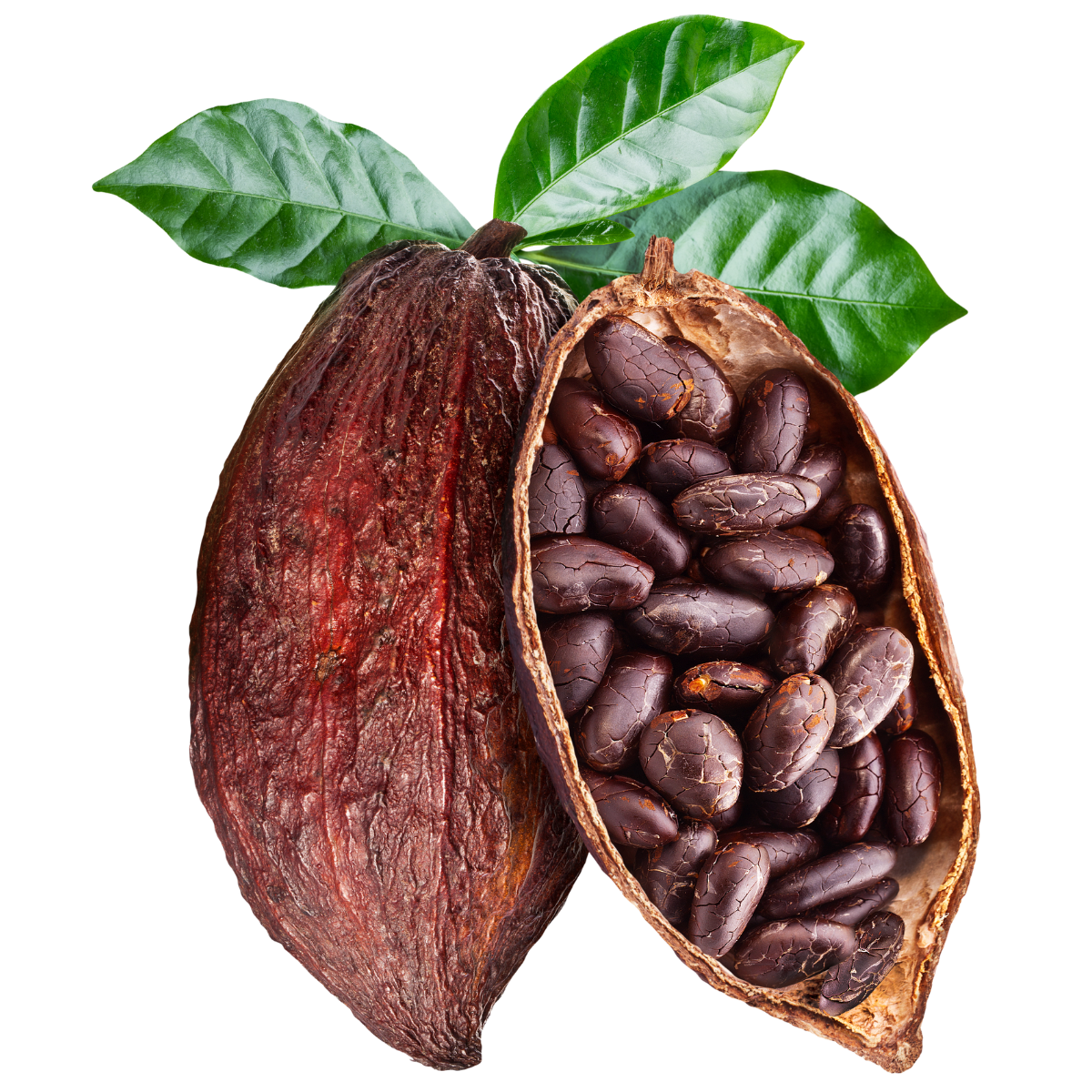
The earliest known chocolate lovers were the Olmecs, Mayans, and Aztecs, who cultivated cacao trees over 3,000 years ago. To them, cacao was sacred. They ground the beans into a bitter, frothy drink called xocoatl, which was believed to have divine and energizing properties. It was so highly valued that the Aztecs even used cacao beans as currency.
When Spanish explorers arrived in the Americas in the 1500s, they brought cacao back to Europe. Over time, sugar and milk were added, transforming chocolate from a ritualistic beverage into a sweet indulgence. Demand skyrocketed, and European powers realized they needed a massive labor force to sustain cocoa cultivation.
Africa’s Role in the Chocolate Industry
Though cacao originated in the Americas, today over 70% of the world’s cocoa comes from West Africa, with Côte d’Ivoire, Ghana, Nigeria, and Cameroon leading production. The introduction of cacao to Africa began in the 19th century, when European colonizers saw the continent’s fertile soil and tropical climate as perfect for large-scale cocoa plantations.
As demand for chocolate grew, so did the need for labor. The colonial system relied on forced labor and exploitation to establish Africa as the heart of cocoa farming. While many small-scale farmers today work independently, low wages and harsh working conditions remain ongoing issues in the industry.
Despite their essential role in the global chocolate supply chain, many African cocoa farmers earn less than $2 a day, even as chocolate remains a $130 billion global industry. While large companies profit, the farmers who grow and harvest cocoa are often left struggling to make ends meet. The irony? Many of these farmers have never even tasted the chocolate made from their own crops.
Reclaiming the Chocolate Narrative
For too long, the story of chocolate has been told through a European lens, focusing on Belgian, Swiss, and French chocolatiers while overlooking the African communities that produce the majority of the world’s cocoa. The truth is, Africa is not just a supplier of cocoa—it is the backbone of modern chocolate.
At Chicago Chocolate Rebellion, we refuse to let this history be erased. We choose to celebrate African cocoa farmers, fair labor practices, and handcrafted chocolate made with purpose. Every truffle and bar we create is a tribute to the people who have shaped this industry for centuries.
Chocolate with Purpose
Chocolate should be something you can enjoy with full appreciation for its origins. When you choose artisan, ethically made chocolate, you’re doing more than treating yourself—you’re making a choice to honor history, support fairness, and uplift the farmers who make it possible.
This is more than chocolate. It’s history. It’s culture. It’s rebellion.
🍫 Want to experience chocolate that honors its roots? Explore our handcrafted truffles and bars today.